
10 Interesting Facts About 1920s: The Roaring Twenties
The 1920s marked one of the most dynamic and transformative decades in American history, characterized by unprecedented economic prosperity, cultural revolution, and social change. This era of jazz music, flapper fashion, and technological innovation fundamentally altered how Americans lived, worked, and entertained themselves after the end of World War I. Let’s explore fascinating facts about 1920s and uncover the remarkable developments that made this decade roar with energy, creativity, and progress that shaped modern American society.
1920s Facts At-a-Glance
Nickname: The Roaring Twenties, Jazz Age, Golden Twenties
Key Legislation: 19th Amendment (women’s suffrage), Prohibition (18th Amendment)
Economic Growth: GDP increased by 42% during the decade
Population Growth: U.S. population reached 106 million by 1920
Cultural Movements: Harlem Renaissance, Lost Generation, Modernism
Major Industries: Automobiles, radio, movies, consumer goods
Social Changes: Urbanization, changing gender roles, mass entertainment
End: Stock Market Crash of October 1929
1. Women gained the right to vote and revolutionized fashion
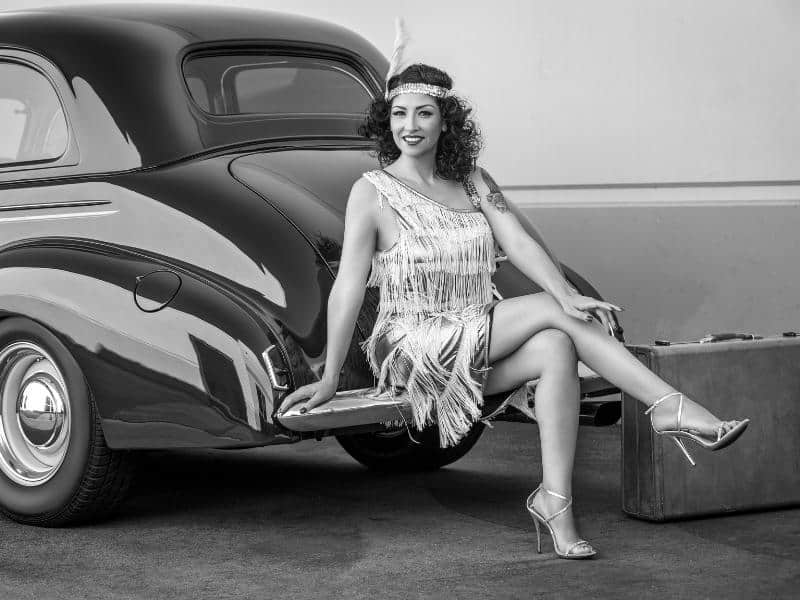
The 19th Amendment, ratified in August 1920, granted women the right to vote nationwide for the first time in American history. This political milestone coincided with dramatic changes in women’s fashion and behavior, as “flappers” rejected Victorian-era restrictions by wearing shorter skirts, bobbing their hair, and embracing more independent lifestyles. These young women challenged traditional gender roles by smoking, drinking, driving cars, and pursuing careers previously reserved for men.
2. The economy experienced unprecedented boom and consumer culture
The 1920s witnessed remarkable economic growth, with the Gross Domestic Product increasing by 42% throughout the decade. Mass production techniques, particularly Henry Ford’s assembly line methods, made consumer goods like automobiles, radios, and household appliances affordable for middle-class families. This prosperity created America’s first true consumer culture, where buying goods became a form of entertainment and social status rather than just necessity.
Suggested Read: Explore fascinating facts about every US state.
3. Radio transformed entertainment and created the first national culture

Radio broadcasting exploded from virtually nothing to a $2 billion industry by 1929, with over 12 million households owning radio sets. For the first time in American history, people across the country could simultaneously hear the same music, news, and entertainment programs, creating a shared national culture. Popular radio shows like “Amos ‘n’ Andy” and broadcasts of sports events made celebrities out of performers and athletes while bringing distant events into American living rooms.
4. Jazz music originated in New Orleans and swept the nation
Jazz music, born in the diverse musical culture of New Orleans, became the defining sound of the decade and gave the era its nickname “The Jazz Age.” Musicians like Louis Armstrong, Duke Ellington, and Bessie Smith revolutionized American music by blending African American blues, ragtime, and spirituals with European musical traditions. Jazz clubs and dance halls became social gathering places where racial barriers were sometimes temporarily relaxed, contributing to broader cultural changes.
5. Prohibition created a massive illegal alcohol industry

The 18th Amendment, which banned the manufacture and sale of alcoholic beverages, paradoxically made drinking more popular and profitable than ever before. Speakeasies—illegal bars—operated in every major city, while bootleggers earned enormous profits smuggling alcohol. This “Noble Experiment” failed spectacularly, contributing to the rise of organized crime figures like Al Capone, whose Chicago operation earned an estimated $100 million annually from illegal alcohol sales. [Learn more: 105 Fascinating Facts About Chicago]
6. Movies evolved from silent films to “talkies”
The film industry transformed dramatically during the 1920s, evolving from short silent films to feature-length “talkies” with synchronized sound. The 1927 release of “The Jazz Singer” marked the beginning of the end for silent films, while movie stars like Charlie Chaplin, Mary Pickford, and Rudolph Valentino became the first true celebrities of the modern era. By 1929, over 100 million Americans attended movies weekly, making Hollywood a cultural powerhouse that influenced fashion, behavior, and social attitudes nationwide.
Suggested Read: 20 Fun Facts About The Hollywood Sign: LA’s Most Famous Letters
7. Sports heroes became America’s first mass media celebrities
The 1920s created the first generation of national sports superstars, with athletes becoming household names through radio broadcasts and newspaper coverage. Babe Ruth revolutionized baseball and became one of America’s most recognizable figures, while boxer Jack Dempsey, golfer Bobby Jones, and football player Red Grange achieved unprecedented fame. These athletic heroes represented the era’s celebration of individual achievement and provided common cultural touchstones for Americans across different regions and social classes.
8. Automobile ownership became widespread and transformed society

Car ownership increased from 8 million vehicles in 1920 to 23 million by 1929, fundamentally changing American life and geography. Henry Ford’s Model T, followed by more stylish models from General Motors and Chrysler, made cars affordable for middle-class families. Automobiles revolutionized courtship, family life, and leisure activities while spurring the development of suburbs, shopping centers, gas stations, and the first standardized road systems that connected distant communities.
9. The Harlem Renaissance flourished as a cultural and intellectual movement
The 1920s witnessed an extraordinary flowering of African American culture, literature, music, and art centered in New York’s Harlem neighborhood. Writers like Langston Hughes and Zora Neale Hurston, musicians like Duke Ellington and Cab Calloway, and artists like Aaron Douglas created works that celebrated Black culture and challenged racial stereotypes. This cultural renaissance attracted both Black and white audiences to Harlem’s clubs, theaters, and literary salons, making it a vibrant center of American creativity.
Suggested Read: 150 Notable Facts About New York City
10. Consumer credit and installment buying became commonplace
The 1920s introduced Americans to buying goods on credit through installment plans, fundamentally changing spending habits and consumer behavior. By 1929, about 60% of automobiles and 80% of radios were purchased using credit, with the slogan “buy now, pay later” becoming a cultural phenomenon. This expansion of consumer credit allowed middle-class families to purchase expensive items immediately while paying over time, contributing to economic growth but also creating personal debt levels that would become problematic when the economy collapsed in 1929.
Explore Fascinating Facts About Months
Just as the 1920s brought monthly celebrations like New Year’s parties and seasonal dances, discover what makes each month special throughout the year
- 50 Fun Facts About January: A Frosty Start to the New Year
- 50 Interesting Facts About February: The Month of Love
- 50 Interesting Facts About March: Spring’s Arrival
- 50 Fun Facts About April: Diamond Days & Daisy Ways
- 50 Fun Facts About May: Blooming with Surprises
- 50 Fun Facts About June: Summer’s Sweet Arrival
- 50 Fun Facts About July: The Sizzling Heart of Summer
- 50 Fun Facts About August: Summer’s Grand Finale
- 50 Fun Facts About September: Autumn’s Golden Gateway
- 50 Fun Facts About October: Autumn’s Golden Month
- 50 Fun Facts About November: A Month of Transition
- 50 Fun Facts About December: Winter’s Festive Finale


