
33 Fascinating Facts About Avocados: Creamy Wonders
Creamy, mild, and endlessly versatile, the avocado has traveled from ancient Mesoamerica to breakfast tables around the world. These facts about avocados explore the fruit’s surprising botany, its colorful history, how it is grown, what makes it nutritious, and the many ways people enjoy it.
Avocados Facts At-a-Glance
Scientific Name: Persea americana
Plant Family: Lauraceae (laurel family)
Native Region: South-central Mexico and Mesoamerica
Fruit Type: Single-seeded berry
Most Popular Variety: Hass
Leading Producer: Mexico
Notable Nutrients: Monounsaturated fat, fiber, potassium, folate, vitamins K and E
Botany and Biology
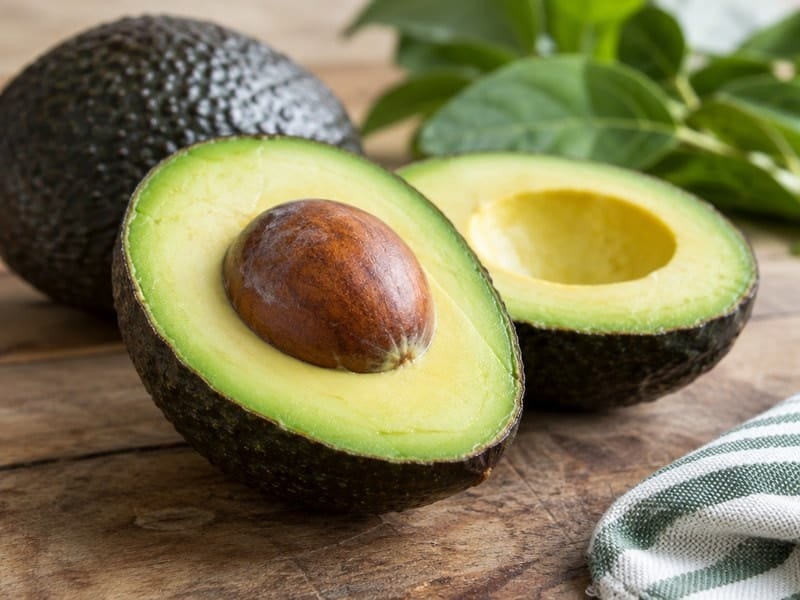
The avocado is a botanical oddball in several delightful ways.
- The avocado tree belongs to the laurel family, Lauraceae. That makes it a relative of cinnamon and bay laurel, whose leaves are a common kitchen herb.
- Botanically speaking, an avocado is a berry. It is a fleshy fruit that holds a single large seed, which most people call the pit.
- Avocado flowers have an unusual timing system. Each flower opens twice, first functioning as female and later as male, which helps encourage cross-pollination.
- Growers sort avocado varieties into type A and type B based on when their flowers switch between female and male phases. Planting both types near each other can improve pollination.
- One hypothesis suggests the avocado’s big seed evolved to be swallowed and spread by huge animals, such as giant ground sloths, that are now extinct. Scientists describe the fruit as a possible evolutionary anachronism.
- Avocado trees can reach 60 feet (18 meters) or more in height. Orchard growers usually prune them much shorter to make harvesting easier.
Origins and History
Long before it became a global favorite, the avocado was a staple in its homeland.
- The avocado is native to south-central Mexico and nearby parts of Mesoamerica. Botanists recognize three main groups, or races: Mexican, Guatemalan, and West Indian.
- Archaeological finds in Mexico’s Tehuacán Valley show that people were eating avocados thousands of years ago.
- The word avocado traces back to the Nahuatl word āhuacatl, which was also used to mean testicle. Spanish speakers adapted it as aguacate, and English eventually settled on avocado.
- Guacamole has Aztec roots, too. Its name comes from the Nahuatl āhuacamōlli, meaning avocado sauce.
- English speakers once commonly called the fruit an alligator pear. The nickname came from its pear-like shape and bumpy green skin.
- The Hass avocado is named after Rudolph Hass, a mail carrier who grew the original tree in La Habra Heights, California. He patented the variety in 1935, and the mother tree lived until 2002.
Recommended Read: 120 Interesting Facts About Mexico
Growing and Varieties

From orchard to fruit bowl, avocados follow some unusual rules.
- Hass is the most widely sold avocado variety in the world. Its pebbly skin turns from green to a deep purplish-black as the fruit ripens.
- Avocados do not soften while hanging on the tree. They mature there but only ripen after being picked, so growers can leave fruit on the branches for months as a kind of natural storage.
- Ripening avocados give off ethylene gas. Placing one in a paper bag with a banana or apple, which also release ethylene, can speed things up.
- Commercial avocado trees are almost always grafted. A tree grown from a pit can take many years to bear fruit, and that fruit will not be identical to its parent.
- Mexico is the world’s largest avocado producer, and the state of Michoacán is the heart of its industry. The city of Uruapan in Michoacán calls itself the avocado capital of the world.
- In the United States, California grows the majority of avocados. Florida grows larger, smoother-skinned West Indian types that tend to contain less fat.
- Avocado trees thrive in warm, frost-free climates. Cold snaps can damage the trees, which is why commercial growing is concentrated in mild regions.
Recommended Read:
Nutrition
Avocados stand out from most fruits because of what is inside them.
- Unlike most fruits, avocados are rich in fat. Most of it is monounsaturated, mainly oleic acid, the same fatty acid that dominates olive oil.
- Avocados are a good source of fiber, folate, vitamin K, and vitamin E. They contain very little sugar compared to most fruits.
- By weight, avocados contain more potassium than bananas, a fruit famous for that mineral.
- Research suggests that eating avocado alongside vegetables can help the body absorb fat-soluble nutrients such as carotenoids. The fruit’s healthy fats aid that process.
- Avocado oil has a high smoke point, which makes it a popular choice for high-heat cooking like searing and roasting.
In the Kitchen and Around the World
People enjoy avocados in savory, sweet, and even creative ways.
- A cut avocado turns brown because an enzyme called polyphenol oxidase reacts with oxygen in the air. A squeeze of lemon or lime juice slows the browning.
- Leaving the pit in leftover guacamole only protects the spot it touches. Limiting air exposure, such as covering the surface tightly, works much better.
- To check ripeness, press gently: a ripe avocado yields slightly. Some cooks also flick off the small stem cap, since green underneath usually means it is ready.
- In Brazil and parts of Southeast Asia, avocados are often treated as a sweet treat. They are blended into smoothies, shakes, and desserts with milk or sugar. [Learn more: 30 Fun Facts About Brazil: Samba, Sun, and Soccer]
- The California roll, a style of sushi developed in North America, typically features avocado. Its creamy texture made sushi more approachable for many newcomers.
- In the United States, avocado sales spike around the Super Bowl as fans whip up big batches of guacamole for game-day parties.
- Sprouting an avocado pit is a classic home project. People suspend the pit over water with toothpicks until roots and a shoot appear.
- Avocado pits and skins can be used to make a natural fabric dye. Despite the fruit’s green color, the dye usually comes out in soft shades of pink.
- Avocado leaves, bark, skin, and pits contain a compound called persin. It can be harmful to many animals, especially birds and livestock such as horses, cattle, and goats.
Recommended Read:


