
20 Fun Facts About The Tundra: Frozen Biome
These remarkable facts about the Tundra reveal one of Earth’s most extreme, misunderstood, and ecologically vital biomes — a vast, frozen world that stretches across the top of the globe and high up mountain slopes, sheltering ancient cultures, extraordinary wildlife, and a hidden carbon reservoir that scientists say could reshape our planet’s climate future.
The Tundra Facts At-a-Glance
Biome Types: Arctic, Alpine, and Antarctic tundra
Arctic Tundra Area: ~11.5 million km² (~8% of Earth’s land surface)
Average Winter Temperature: -25°C to -30°C (-13°F to -22°F)
Annual Precipitation: 150–250 mm/year (cold desert classification)
Growing Season: Only 50–60 days per year
Permafrost Depth (max recorded): Over 1,500 meters (Siberia)
Carbon Stored in Permafrost: ~1.5 trillion metric tons of organic carbon
Climate Change Warming Rate: 2–4× faster than global average (Arctic amplification)
Facts About the Tundra: Geography and Physical Characteristics
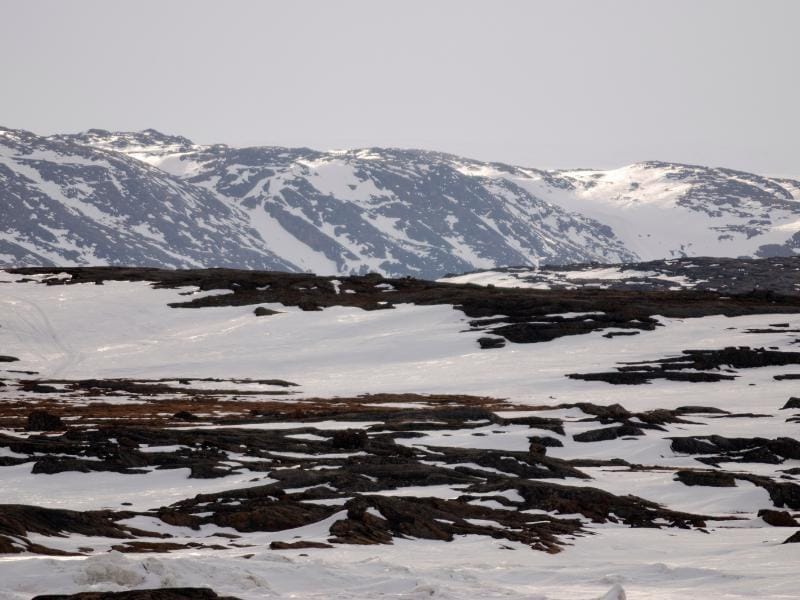
The tundra is defined as much by what it lacks — trees, warmth, and rain — as by what it contains. Understanding its geography is the first step to appreciating why this biome matters so profoundly.
- The word “tundra” comes from the Finnish word tunturi, meaning treeless plain or barren land, which accurately describes the vast, open landscapes characteristic of these regions.
- There are three distinct types of tundra on Earth: Arctic tundra, which encircles the North Pole; Alpine tundra, found at high elevations on mountains worldwide; and Antarctic tundra, located on the Antarctic Peninsula and surrounding islands.
- Arctic tundra covers approximately 11.5 million square kilometers, representing about 8% of Earth’s total land surface, spanning across northern Alaska, Canada, Russia, Greenland, Iceland, and Scandinavia.
- Alpine tundra exists on every continent except Antarctica and can be found on famous mountain ranges including the Himalayas, the Andes, the Rocky Mountains, the Alps, and even on equatorial mountains like Mount Kilimanjaro in Africa, where altitude rather than latitude creates tundra-like conditions.
The Tundra Permafrost and Soil
Beneath the tundra’s surface lies one of its most defining and consequential features: permafrost, a frozen layer of soil with enormous implications for the global climate.
- Permafrost, the permanently frozen layer of soil beneath the tundra surface, underlies roughly 25% of the Northern Hemisphere’s land area and can extend hundreds of meters deep in some regions, with the deepest recorded permafrost reaching over 1,500 meters in Siberia.
- Tundra soil, known as gelisol, is typically very thin, poorly developed, and low in nutrients because the cold temperatures dramatically slow the decomposition of organic matter, meaning dead plant material can accumulate for centuries before breaking down.
- The thawing of permafrost due to climate change is causing a phenomenon called “thermokarst,” where the ground collapses and sinks as ice within the soil melts, creating irregular, boggy landscapes and releasing previously trapped methane and carbon dioxide into the atmosphere.
Facts About the Tundra Climate and Weather
The tundra’s climate is one of the most extreme on Earth, defined by brutal cold, minimal precipitation, and dramatic swings in daylight that shape every living thing within it.
- The Arctic tundra experiences extreme seasonal variation in daylight, with some areas receiving continuous sunlight for up to 24 hours during summer months — the “midnight sun” — and experiencing complete darkness for extended periods during winter, a phenomenon known as polar night.
- The average annual temperature in Arctic tundra regions ranges from -25°C to -30°C (-13°F to -22°F) in winter, while summer temperatures rarely exceed 10°C (50°F), creating one of the most thermally challenging environments for life on Earth.
- Tundra regions receive very little precipitation, typically between 150 and 250 millimeters per year, making them technically classified as cold deserts; despite this, the landscape often appears waterlogged because permafrost prevents water from draining into the ground.
Plant Life and Ecosystems
Far from lifeless, the tundra supports a surprisingly rich array of plant species and plays a critical role in regulating Earth’s carbon cycle.
- Despite its harsh reputation, the Arctic tundra supports approximately 1,700 species of plants, including mosses, lichens, sedges, grasses, and dwarf shrubs that have adapted to survive in extremely cold, nutrient-poor conditions with a very short growing season of only 50 to 60 days per year.
- Tundra ecosystems store enormous amounts of carbon — scientists estimate that permafrost soils contain approximately 1.5 trillion metric tons of organic carbon, nearly twice the amount currently present in Earth’s atmosphere, making tundra regions critically important in global climate regulation.
Facts About the Tundra Animal Life

The animals of the tundra are among the most resilient on the planet, shaped by millions of years of evolution to endure conditions that would be lethal to most species.
- Caribou, known as reindeer in Eurasia, undertake some of the longest land migrations on Earth across tundra landscapes, with some herds traveling over 4,800 kilometers annually between their winter and summer ranges in search of food and suitable calving grounds.
- The musk ox is one of the most remarkable tundra survivors, having roamed Arctic landscapes for over 600,000 years and endured the last Ice Age; their thick double-layered coats, consisting of long guard hairs and a dense inner wool called qiviut, provide insulation against temperatures as low as -40°C.
- The polar bear (Ursus maritimus) is widely regarded as one of the largest land predators on Earth, with males capable of weighing up to 700 kilograms; it relies heavily on sea ice and tundra coastal areas for hunting, denning, and raising cubs.
- Lemmings, small rodents native to Arctic tundra regions, are famous for their dramatic population cycles, with numbers peaking roughly every three to four years before crashing; these cycles significantly affect the entire tundra food web, influencing predator populations including Arctic foxes, snowy owls, and rough-legged hawks.
Facts About the Tundra Indigenous Peoples and Culture

Humans have called the tundra home for millennia, developing extraordinary cultures and survival knowledge that remain vital and living traditions today.
- Indigenous peoples have inhabited tundra regions for thousands of years, including the Inuit, Yupik, and Aleut peoples of North America and Greenland, and the Nenets, Chukchi, and Evenki peoples of Siberia, developing sophisticated survival techniques adapted to extreme cold and limited resources.
- The Nenets people of Siberia, numbering approximately 44,000 individuals, maintain one of the last great nomadic reindeer herding cultures in the world, migrating up to 1,000 kilometers twice a year across the Yamal Peninsula tundra with herds that can number in the thousands.
Facts About the Tundra Scientific Discoveries and Climate Change
The tundra is both a window into Earth’s deep past and a frontline indicator of its rapidly changing future, making it one of the most scientifically significant biomes on the planet.
- Scientists have discovered remarkably preserved specimens of Ice Age megafauna frozen in tundra permafrost, including woolly mammoths, woolly rhinoceroses, cave lions, and ancient horses — some with intact skin, hair, and stomach contents — providing invaluable insights into prehistoric ecosystems and climates.
- Climate change is warming the Arctic tundra at a rate approximately two to four times faster than the global average, a phenomenon known as Arctic amplification; since 1980, Arctic temperatures have risen by an estimated 2–3°C or more depending on the region and dataset, causing shrubs to expand northward, altering animal migration patterns, and threatening the traditional ways of life of indigenous communities who have depended on stable tundra ecosystems for millennia.
Discover Fascinating Facts About Earth’s Natural Wonders:


